
Sixth EpiSeedLink Newsletter
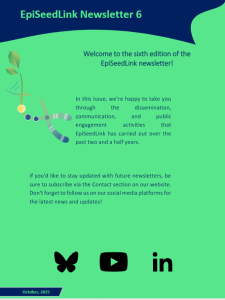
EpiSeedLink Newsletter 6 is Out Now!
We’re thrilled to share the latest edition of the EpiSeedLink Newsletter, showcasing the dissemination, communication, and public engagement activities carried out over the past two and a half years.
From international conferences and cutting-edge workshops to training sessions and collaborative outreach across Europe and beyond, our network is working to make plant science and epigenetics accessible to both academic and non-academic audiences.
In this issue:
-
▶️ Over 80 dissemination activities by our PIs and fellows
-
▶️ Highlights from national and international conferences
-
▶️ Updates on our communication channels: website, YouTube, LinkedIn, and Bluesky
-
▶️ Insights into our efforts to engage society with science
Our mission is simple: to share what we do, why it matters, and how EpiSeedLink contributes to advancing science and society.
Curious about how science meets society? Want to explore the impact of our outreach and collaborations across Europe?
Read the full newsletter here
We hope you enjoy reading it as much as we enjoyed putting it together.
Check it out and stay tuned for more updates from the EpiSeedLink project!
If you want to receive the EpiSeedLink Newsletter, please send a message to episeedlink@cnb.csic.es.
Frontal Image designed Freepik (<a href=”https://www.freepik.es/foto-gratis/papeles-blanco-paja-decorativa-mesa_3624218.htm”>Imagen de freepik</a>)


Meet Our PhD Fellows: Sharing Their Passion for Science_1
Our EpiSeedLink PhD students are stepping in front of the camera to share their passion for science and give you a glimpse into their research within the project
Training in Science Communication
As part of their training in science communication and public engagement, our EpiSeedLink PhD students are creating short videos to present their research and key scientific topics from the project.
Video Series
These videos will be posted every two weeks on EpiSeedLink’s social media channels, giving the public a front-row view of the research questions and discoveries of the next generation of scientists.
First Video Spotlight
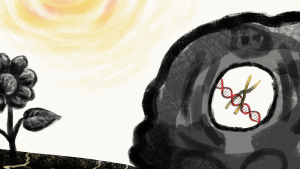
The first video features Maira Marins Dourado, PhD student at the University of Amsterdam, who explores:
“Identifying cis-regulatory elements associated with drought stress in canola”
You can watch all videos in our YouTube channel: https://www.youtube.com/@episeedlink2021/
Frontal Image designed Freepik

EpiSeedLink PhD Students Interview on ARTE TV
EpiSeedLink PhD Students Featured on ARTE TV
We are delighted to share the contribution of three of our PhD students, Kingsley Onyinye Ibeabuchi, Shreyas Padmanabha Sharma Beedubail, and Martina Curci to the ARTE TV program “Agree to Disagree”, which explored the timely question: “Genetic engineering in organic farming?”.
The program openly discusses about genetic engineering from two points of view and how EpiSeedLink investigates alternative and more sustainable solutions.
One of the topics was Seed Priming and its pivotal role in promoting organic farming, while safeguarding both farmers’ livelihoods and the environment. The discussion focused on biostimulant-based seed priming, a cutting-edge technology designed to boost seed vigor even under abiotic stress conditions. This innovative approach holds great promise for both the seed industry and farmers.
You can watch the full program here:
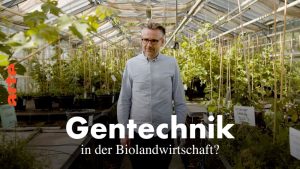
The recording took place during Martina’s and Shreyas’ secondments to Deutsche Saatveredelung AG (DSV), where they had the chance to reflect on the two contrasting perspectives presented in the debate. Their participation highlighted how EpiSeedLink’s research can offer innovative solutions for more sustainable agriculture.
EpiSeedLink (MSCA-DN-2021) is dedicated to transforming this vision into reality and paving new paths in research for enhancing sustainability.
The complete interview is available on the YouTube channel of the Franco-German broadcaster ARTEde. (www.arte.tv)
Fifth EpiSeedLink Newsletter
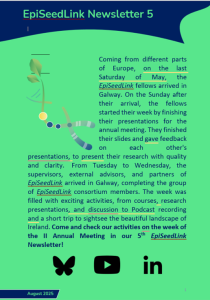
EpiSeedLink Newsletter 5 is here¡
We’re excited to share with you our 5th EpiSeedLink Newsletter, full of updates and memorable moments from the Second Annual Meeting held this June in Galway, Ireland.
From proposal writing and research presentations to podcast recordings and scenic excursions, our fellows and consortium members had a packed and productive week.
You’ll find: Highlights from the Annual Meeting
❇️A peek into the Proposal Writing course
❇️Details about our new podcast series starting this month
❇️Fellows’ research progress and business plan presentations
❇️And of course, some great memories from our excursion to the Cliffs of Moher!
Don´t miss it¡ Click here to read it.
We hope you enjoy reading it as much as we enjoyed putting it together.
Check it out and stay tuned for more updates from the EpiSeedLink project!
If you want to receive the EpiSeedLink Newsletter, please send a message to episeedlink@cnb.csic.es.
Frontal Image designed Freepik (<a href=”https://www.freepik.es/foto-gratis/papeles-blanco-paja-decorativa-mesa_3624218.htm”>Imagen de freepik</a>)
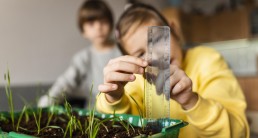
EpiSeedLink Seed Germination Kit
EpiSeedLink Seed Germination Kit – Inspiring the Next Generation of Scientists!
EpiSeedLink Fellows have developed a Seed Germination Kit as part of the Public Engagement training delivered by Cell EXPLORERS. Moreover, Dr. Sara Farrona, an EpiSeedLink supervisor, has guided and supported them throughout the process.
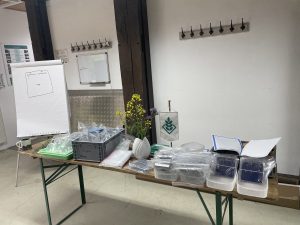
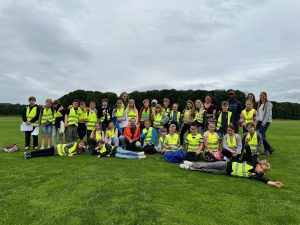
On June 27th, 2025, some of the EpiSeedlink members (Dr. Ulf Feuerstein and Kingsley Onyinye Ibeabuchi), who belonged to Deutsche Saatveredelung AG (DSV) in Asendorf (Germany), had the pleasure of welcoming around 32 enthusiastic 10–11-year-old students for an EpiSeedLink Seed Germination kit demonstration. The event was a fantastic opportunity to introduce young minds to plant science in a hands-on and engaging way.
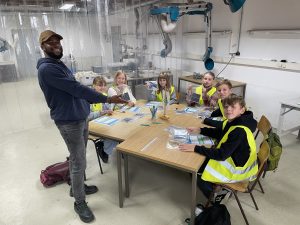
The sessions were held in German, and we were very grateful to have Dr. Ulf Feuerstein (EpiSeedLink supervisor) supporting with translations from English, as well as Katharina, who is currently doing her master’s thesis at DSV, helping to guide the children through the content in German.
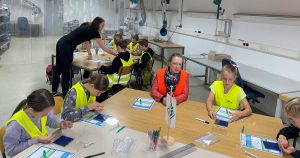 The highlight? The children were fascinated by the visible effects of salt stress and seed priming, demonstrated using carefully prepared sample plates. Even more exciting: each child prepared their own plates to take home, so they could continue observing and measuring changes themselves!
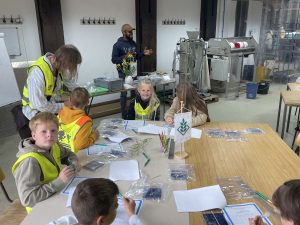 They ran three 45-minute sessions with small groups (10–12 kids each). After a tight first round, the format was adjusted for smoother flow in the later sessions. While some concepts, especially data analysis and seed priming, were a bit complex for this age group, the curiosity and excitement from the children made it all worthwhile.
A big thank you to everyone who made this outreach activity possible! ✨
Let’s keep sparking scientific curiosity, one seed at a time.
Fronted image by <a href="https://www.freepik.es/foto-gratis/vista-frontal-nina-midiendo-brotes-que-crecen-casa_12246951.htm">Imagen de freepik</a>
Fourth EpiSeedLink Newsletter
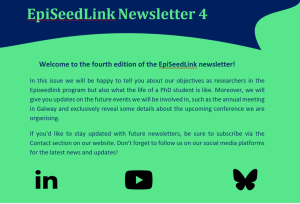
The fourth edition of our newsletter is here!
We share our goals as researchers in the EpiSeedLink program and give you a glimpse into PhD life. You’ll also find updates on events, including an exclusive preview of a conference we are organizing.
Don´t miss it¡ Click this link to read it.
If you want to receive the EpiSeedLink Newsletter, please send a message to episeedlink@cnb.csic.es.
Frontal Image designed Freepik (<a href=”https://www.freepik.es/foto-gratis/papeles-blanco-paja-decorativa-mesa_3624218.htm”>Imagen de freepik</a>)
Third EpiSeedLink Newsletter
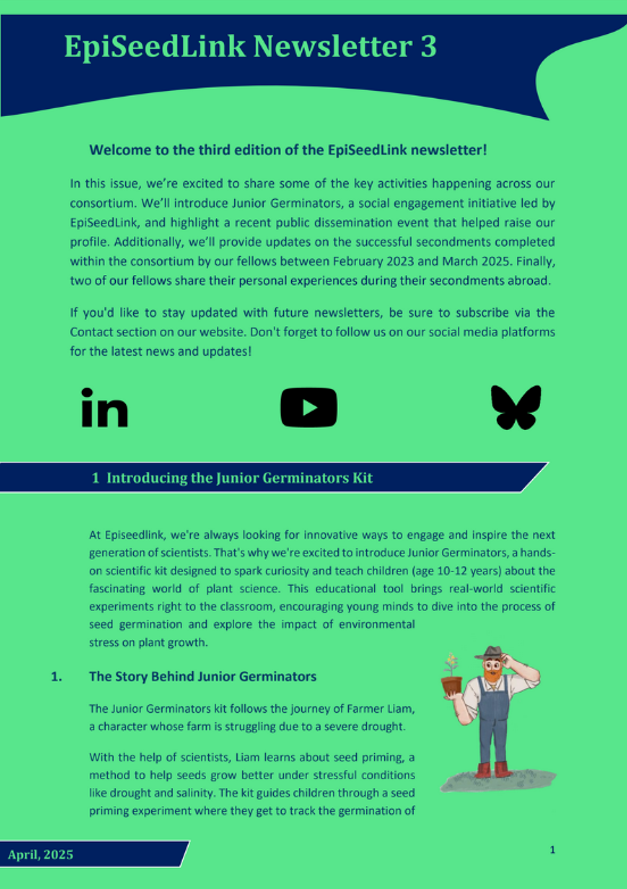
If you want to receive the EpiSeedLink Newsletter, please send a message to episeedlink@cnb.csic.es.
Frontal Image designed Freepik (<a href=”https://www.freepik.es/foto-gratis/papeles-blanco-paja-decorativa-mesa_3624218.htm”>Imagen de freepik</a>)
Second EpiSeedLink Newsletter
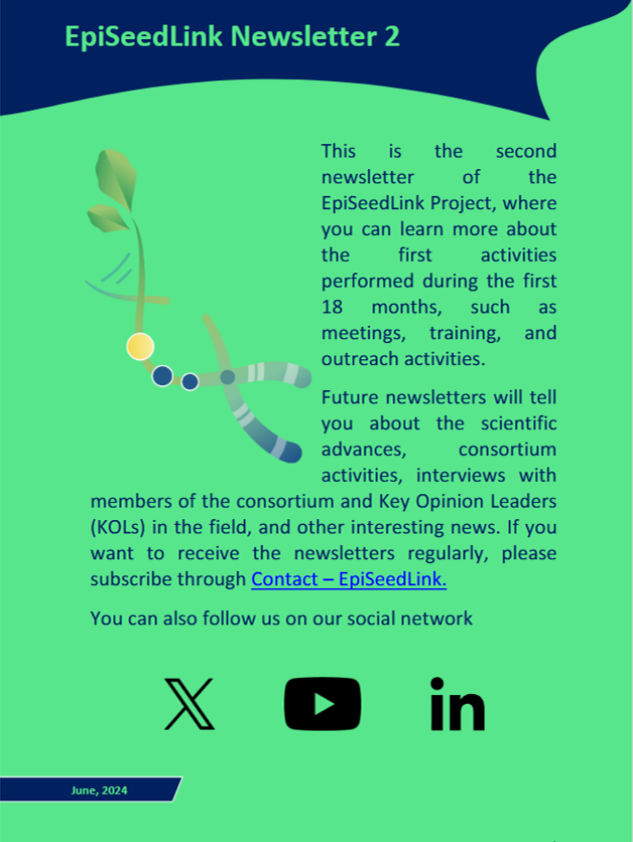
The second edition of the @episeedlink newsletter is here! ✨
Take a behind-the-scenes look at our journey, from dynamic meetings and hands-on training to exciting outreach across Europe!
Discover what we have been up to in the first 18 months of this EU-funded plant epigenetics adventure. Don’t miss it!
If you want to receive the EpiSeedLink Newsletter, please send a message to episeedlink@cnb.csic.es.
Frontal Image designed by Freepik (<a href=”https://www.freepik.es/foto-gratis/papeles-blanco-paja-decorativa-mesa_3624218.htm”>Imagen de freepik</a>)
First EpiSeedLink Newsletter
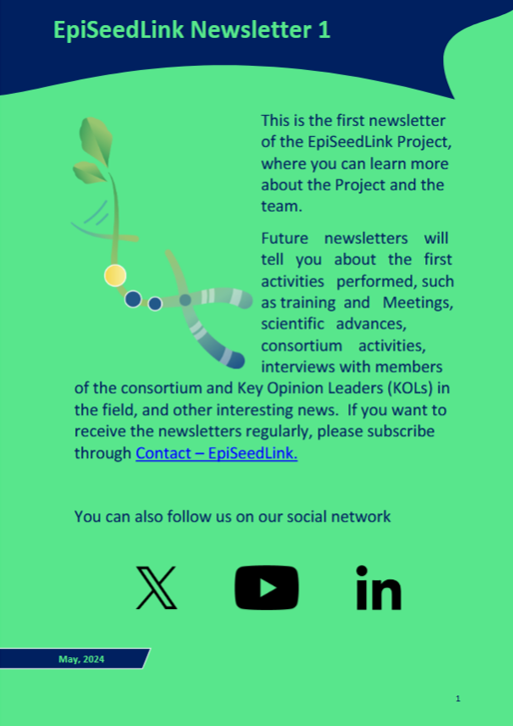
Welcome to the very first edition of the EpiSeedLink newsletter!
Get to know the consortium behind this exciting journey in plant epigenetics research.
Funded by the EU through the MSCA Doctoral Network, this project is sowing the seeds for future discoveries.
If you want to receive the EpiSeedLink Newsletter, please send a message to episeedlink@cnb.csic.es.
Frontal Image designed by Freepik (<a href=”https://www.freepik.es/foto-gratis/papeles-blanco-paja-decorativa-mesa_3624218.htm”>Imagen de freepik</a>)

New genomic techniques in the European Union
NGTs in the EU : A Significant Progress, but the Discussion Is Not Over Yet.
✅The legislative proposal on plants obtained through new genomic techniques (NGTs) has progressed, with EU Member States’ deputy ambassadors endorsing the Council's negotiating mandate on March 14.
✅This advancement allows the proposal to enter its final stage, where the Council will engage in trilogue negotiations with the European Parliament to finalize the regulation's text. Once a common version is agreed upon, both institutions will vote separately, and if approved, implementation will take an additional two years.
However, scrutiny and advocacy remain crucial during this phase.
▶️ A key issue in the negotiations is the European Parliament’s demand for a total ban on patenting new NGT-derived plants to prevent monopolies, while the Council supports patenting.
▶️ Additionally, there is a disagreement on labeling and traceability, with the Parliament advocating for mandatory labeling of NGT products, whereas the Council suggests no special labeling is needed for products developed using modern genetic engineering techniques.
✳️ It is vital for policymakers and stakeholders to engage in constructive dialogue to develop a regulatory framework that fosters innovation and supports a sustainable agricultural sector in Europe.
✳️ The need for science-based policies to address climate change is urgent, and farmers require access to tools that enhance productivity and protect biodiversity.
✳️ Continued advocacy for plant breeding innovation is essential, and stakeholders are encouraged to get involved.