
Provisional Agreement on New Genomic Techniques (NGTs) in the EU
EU Institutions Reach Provisional Agreement on New Genomic Techniques (NGTs)
On 3 December, the EU Presidency and European Parliament concluded negotiations on a long-awaited regulation for new genomic techniques (NGTs) in plant breeding. The agreement introduces a differentiated framework intended to balance innovation, sustainability, and market access.
Key provisions include:
- Two-tier classification:
- Category 1: NGT plants deemed equivalent to conventional breeding, exempt from GMO legislation.
- Category 2: More complex modifications subject to GMO rules, authorisation, traceability, and labelling.
- Labelling rules: NGT-1 plants will not be labelled (except seeds), while NGT-2 plants will carry stricter requirements.
- Patent transparency: Applicants must disclose existing or pending patents; safeguards aim to prevent market concentration and ensure fair access.
- Governance: A patent monitoring group and EU code of conduct will oversee licensing practices and breeder access.
- Exclusions: NGTs remain prohibited in organic food production; member states may opt out of cultivating Category 2 plants.
This agreement marks a significant step in shaping Europe’s biotechnology policy, with implications for farmers, breeders, and the wider agrifood sector. While industry stakeholders welcome the enabling framework, environmental groups caution against risks of dependency on large agrochemical companies.
Source: Council, Parliament agree on long-awaited regulation for new genomic techniques | Science|Business


Second EpiSeedLink Consortium Publication in Current Opinion in Plant Biology
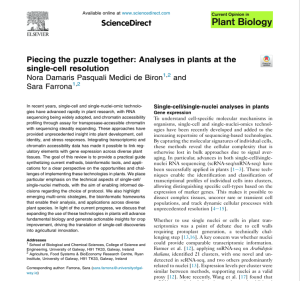
You can read the full article here
Fronted image from Freepick
First EpiSeedLink Consortium Publication in BMC Plant Biology
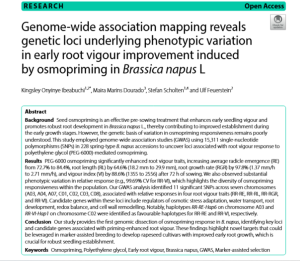
It’s the first of many more to come!
Fronted image from Freepick
New genomic techniques in the European Union
NGTs in the EU : A Significant Progress, but the Discussion Is Not Over Yet.
✅The legislative proposal on plants obtained through new genomic techniques (NGTs) has progressed, with EU Member States’ deputy ambassadors endorsing the Council's negotiating mandate on March 14.
✅This advancement allows the proposal to enter its final stage, where the Council will engage in trilogue negotiations with the European Parliament to finalize the regulation's text. Once a common version is agreed upon, both institutions will vote separately, and if approved, implementation will take an additional two years.
However, scrutiny and advocacy remain crucial during this phase.
▶️ A key issue in the negotiations is the European Parliament’s demand for a total ban on patenting new NGT-derived plants to prevent monopolies, while the Council supports patenting.
▶️ Additionally, there is a disagreement on labeling and traceability, with the Parliament advocating for mandatory labeling of NGT products, whereas the Council suggests no special labeling is needed for products developed using modern genetic engineering techniques.
✳️ It is vital for policymakers and stakeholders to engage in constructive dialogue to develop a regulatory framework that fosters innovation and supports a sustainable agricultural sector in Europe.
✳️ The need for science-based policies to address climate change is urgent, and farmers require access to tools that enhance productivity and protect biodiversity.
✳️ Continued advocacy for plant breeding innovation is essential, and stakeholders are encouraged to get involved.